Advancements in veterinary care and owner education have allowed horses to live longer, more productive lives. However, “senior” status is defined more by physiological signs than a specific age. As horses age, they face unique challenges, including dental issues, decreased digestive efficiency, and metabolic shifts that necessitate a targeted nutritional approach.
Recognizing the Aging Process
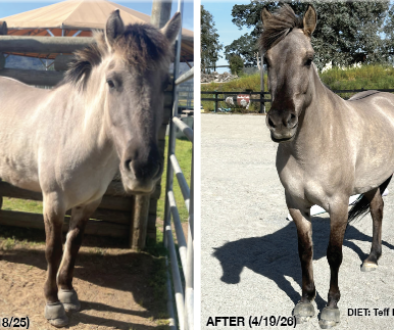
A primary indicator of senior status is the loss of body condition on a diet that was previously adequate. This often manifests as muscle wasting (atrophy) or a “loss of topline,” even when hay and supplements are plentiful. Research suggests that older horses may have a reduced ability to digest crude protein, leading to a higher daily requirement—typically 12% to 14%—to maintain muscle mass.
Dental health is another critical factor. Waves, hooks, or missing teeth can make chewing long-stemmed hay difficult or impossible, leading to poor nutrient absorption or even esophageal obstruction (choke). Annual dental exams are essential to ensure the chewing surface remains effective.
Managing Endocrine and Metabolic Disorders
Aging often brings metabolic complications like Pituitary Pars Intermedia Dysfunction (PPID, or Cushing’s) and Equine Metabolic Syndrome (EMS). PPID is frequently recognized by a long, curly coat that fails to shed, while EMS is characterized by insulin dysregulation, regional fat deposits (like a “cresty neck”), and a high risk of laminitis. In some cases, the horse can have both conditions. Particularly with PPID, muscle wasting can be seen in progressive stages of the disease.
For these “metabolic” seniors, managing non-structural carbohydrates (NSC) – the sum of starch and sugar – is vital. Scientific consensus recommends keeping total dietary NSC below 10–12% to prevent dangerous insulin spikes. Meal size and frequency is also important to consider with severe cases.
Solutions for Muscle Atrophy and Vitality
To combat muscle atrophy (sarcopenia), recent studies emphasize the importance of “balanced protein” – specifically essential amino acids like Lysine, Threonine, and Methionine – which are the building blocks of muscle tissue. Providing high-quality protein allows the horse to synthesize muscle more efficiently, even as their overall digestive capacity wanes.
For owners seeking specialized solutions, Elk Grove Milling offers targeted options:
- Stable Mix Senior: A complete feed designed to fulfill all daily requirements for senior horses. It includes super fibers like beet pulp and almond hulls, plus pre-, pro-, and postbiotics to support a sensitive aging gut.
- Stable MAX Senior: Formulated specifically for seniors needing extra support, this option provides a low NSC profile to manage metabolic risks while delivering high protein levels to directly support the topline during muscle atrophy. It includes a comprehensive gut health support package to support a sensitive aging gut.
- G.I. Stable-ez: For extra gastric support, or during times of stress or hauling, this pelleted supplement has a small service size and can be fed alone or in combination with feed. Because of its pelleted form, it can’t be sorted and won’t fall to the bottom of the feed pan. This supplement can help support your horse’s microbiome, while also promoting better digestion and fermentation of the feed.
Feeding for Success
When a horse can no longer process hay – poor digestion and absorption, or poor dentition – a “complete feed” serves as a total replacement, providing fiber, energy, and minerals in a highly digestible, pelleted form. These pellets can be soaked into a soft mash to accommodate horses with severe dental loss.
By combining regular veterinary care with a diet rich in high-quality protein and controlled carbohydrates, owners can ensure their senior companions thrive well into their golden years. For more information on tailored feeding programs, visit www.elkgrovemilling.com.
Apply for a Free Consultation Here
Lindsey Close, PAS Professional Animal Scientist
Director of Operations and Sales Manager
Elk Grove Milling, Inc. Phone: 916-684-2056 Email: lindsey@elkgrovemilling.com
Website:www.elkgrovemilling.com
Social: https://www.facebook.com/CloseEquineNutritionConsulting