Stepping into a feed store can feel like walking into a labyrinth. With rows of colorful bags promising everything, and an endless sea of supplements, the modern horse owner is faced with a paradox of choice. However, nutrition is more than just filling a bucket; it is the fundamental cornerstone of your horse’s longevity, performance, and mental focus.
While the primary goal of any feeding program is to meet basic nutritional requirements, how we meet those needs is just as critical as the nutrients themselves.
The Individual Blueprint
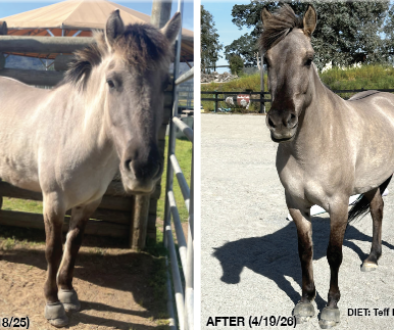
Before reaching for a scoop, we must look at the horse standing in front of us. No two horses have the exact same metabolic fingerprint. To build a successful diet, we factor in several key criteria:
- Body Condition Score (BCS)
- Health Status
- The Discipline Demand: The type of work dictates what we should feed, not just the raw nutrient value.
Fueling the Job: Performance Specificity
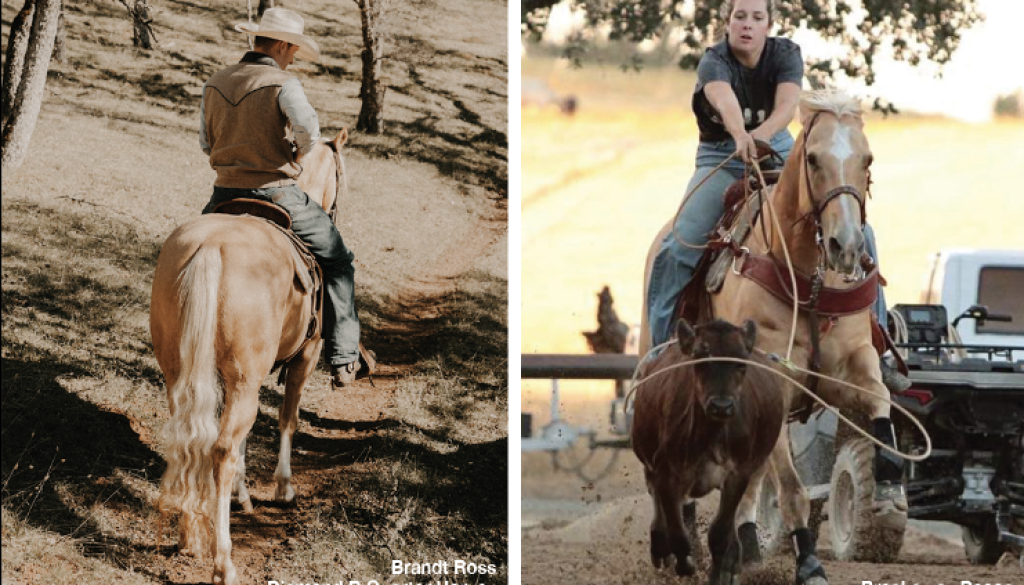
We often focus on how much energy a horse needs, but we must also consider the source of that energy to match the horse’s job. A hunter, for example, requires consistent, calm energy to maintain a steady rhythm throughout a round. Conversely, a jumper needs quick-release fuel to provide the explosive power and precise athleticism required at high speeds.
This distinction is just as vital in the Western world. The nutritional strategy for a Western Pleasure horse, where slow, rhythmic cadence is king, is vastly different from the high-octane requirements of a cutter or a barrel horse that needs immediate glycogen stores for dynamic work.
Decoding the Feed Tag
When the options feel overwhelming, the feed tag is your map. It’s easy to be swayed by beautiful marketing on the front of the bag, but the truth is hidden on the tag. To truly understand what you are feeding, you must look at three specific areas:
1. The Purpose Statement
2. The Guaranteed Analysis
3. The Ingredient List: This is where the mystery is truly solved. While a tag doesn’t explicitly reveal the quality of the grain, it reveals the fuel sources. Are the calories coming from “cool” energy sources like beet pulp (highly digestible fiber), or are they coming from “hot” sources like corn and molasses?
Pro Tip: Look for “fixed formula” feeds. In these feeds, the ingredients do not change based on commodity prices, ensuring that every bag you buy provides the exact same digestive experience for your horse.
Quality In, Quality Out
Choosing a feed with high-quality protein sources ensures the body has the building blocks to repair muscle tissue after a workout. When we align the ingredients on the tag with the horse’s specific physiological needs and their daily job, we aren’t just feeding them; we are fueling their potential.
In a world of a million options, the best choice is the one informed by science, individual health, and a clear understanding of what’s inside the bag. After all, your horse’s performance and recovery is a direct reflection of what you put in the bucket.
The Elk Grove Milling Difference
Ultimately, achieving a healthier, happier horse starts with recognizing them as an individual. This is why Elk Grove Milling, Inc. provides a comprehensive and diverse feed line designed to meet those unique needs. Whether you are managing a metabolic senior, a high-performance jumper, or a steady-moving pleasure horse, their range of feeds allows you to select the precise fuel source and nutrient profile required for your specific goals. By focusing on quality ingredients and specialized fixed formulas, Elk Grove Milling helps take the guesswork out of the feed room, ensuring that every horse gets exactly what they need to thrive.
Written by:
Lindsey Close, PAS Professional Animal Scientist
Director of Operations and Sales Manager
Elk Grove Milling, Inc. Phone: 916-684-2056 Email: lindsey@elkgrovemilling.com Website:www.elkgrovemilling.com
Social: https://www.facebook.com/CloseEquineNutritionConsulting