Bridging the Gap: Why Hay and Pasture Aren’t a Complete Meal
For many horse owners, the sight of a horse grazing peacefully on green pasture or contentedly munching on high-quality hay represents the pinnacle of equine health. It feels natural, wholesome, and sufficient. However, a common misconception in equine husbandry is that forage alone provides every nutrient a horse requires to thrive. In reality, even the most beautiful fields and quality hay often contain significant nutritional gaps. This is where the ration balancer enters the picture: not as an unnecessary “grain” or a source of unwanted energy, but as the essential bridge in a forage-based diet.
The Myth of Forage Completeness
While forage is the foundation of any equine diet, it is rarely a complete nutritional package. Soil depletion and regional mineral deficiencies often leave gaps in vital micronutrients. For instance, many forages are naturally low in copper, zinc, and selenium—minerals critical for immune function, coat health, and hoof integrity. Furthermore, hay has significantly altered vitamin content once harvested; while it provides essential fiber, the curing process and storage time cause a rapid decline in vital vitamins.
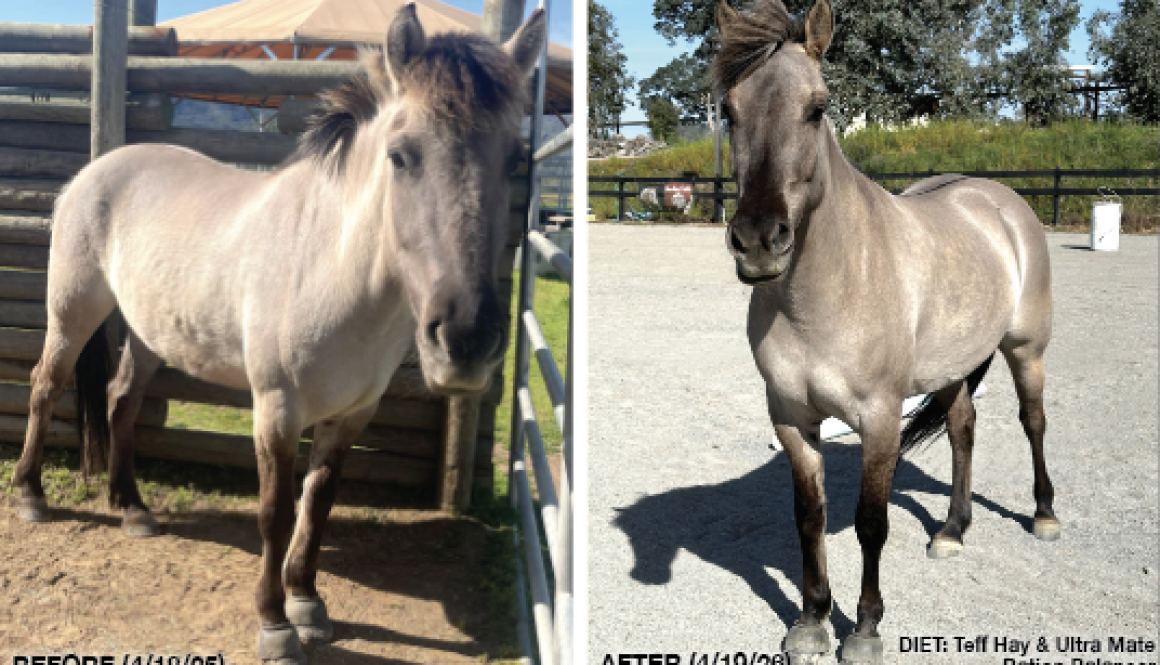
A horse relying solely on pasture or hay is essentially eating a diet that may satisfy their caloric needs but leaves them lacking foundational micronutrients. A ration balancer acts as a concentrated daily multivitamin, specifically designed to be fed at low rates—typically just 1-2 pounds per day—to ensure comprehensive support without adding unnecessary calories.
Addressing the “Grain” and “Hot” Horse Fear
One of the primary reasons owners hesitate to add a balancer is the fear of feeding “grain”. In the horse world, grain is often synonymous with high sugar, high starch, and the dreaded “hot” behavior. It is crucial to distinguish a ration balancer from a performance feed.
- Low Sugar and Starch: Because balancers are fed in such small quantities, their contribution to the total sugar and starch intake is not substantial.
- The Protein Misconception: While a balancer might list a high protein percentage (often around 30%), the actual amount consumed in a single pound does not significantly alter the diet; rather, it complements the existing forage.
- Behavioral Clarity: Excitability is usually the result of an energy surplus—feeding more calories than the horse uses or needs. A balancer provides nutrients, not calories, meaning it supports well-being without making the horse “hot”.
The Ideal Solution for “Easy Keepers”
Ration balancers are the unsung heroes for “easy keepers” (those horses who maintain their weight effortlessly). These horses often cannot handle the caloric load of traditional grain, yet they still require a full spectrum of vitamins and minerals. By using a balancer, you can provide comprehensive nutrition, reducing the risk of obesity or metabolic upset.
Precision Nutrition: Stable MAX™ Ultra Mate
When choosing a tool to close these nutritional gaps, precision and bioavailability matter. Stable MAX™ Ultra Mate from Elk Grove Milling, Inc. is a comprehensive option designed to elevate the standard of care. Unlike many national brands, Ultra Mate focuses on science-backed ingredients and gut health:
- Total Organic Minerals: Uses organic minerals for better absorption compared to inorganic sources.
- Digestive Support: Includes probiotics, prebiotics, enzymes, and toxin binders to ensure the horse actually utilizes the nutrients provided.
- LifeFORCE Formula: This Alltech-backed formula targets immune support, hoof integrity, healthy skin, and reproductive function.
Conclusion
By recognizing that hay and pasture are a base rather than a complete solution, we can use ration balancers to provide the targeted nutrition our horses deserve. It is a small daily addition with a significant impact, ensuring your horse isn’t just surviving on forage, but truly thriving from the inside out.
Written by:
Lindsey Close, PAS Professional Animal Scientist
Director of Operations and Sales ManagerElk Grove Milling, Inc.Phone: 916-684-2056 Email: lindsey@elkgrovemilling.com Website:www.elkgrovemilling.com
Social: https://www.facebook.com/CloseEquineNutritionConsulting